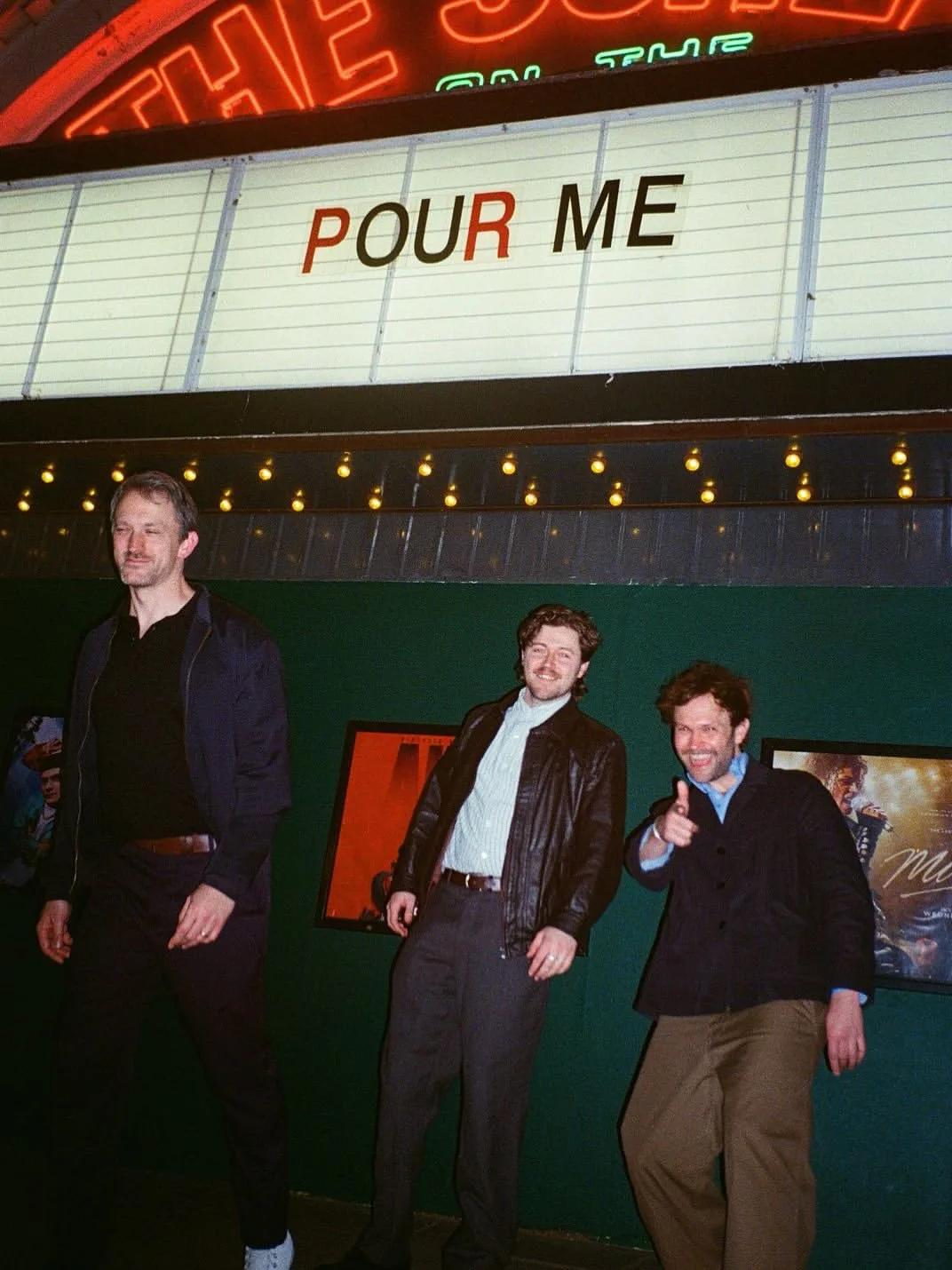
Jesse Lewis Recce’s
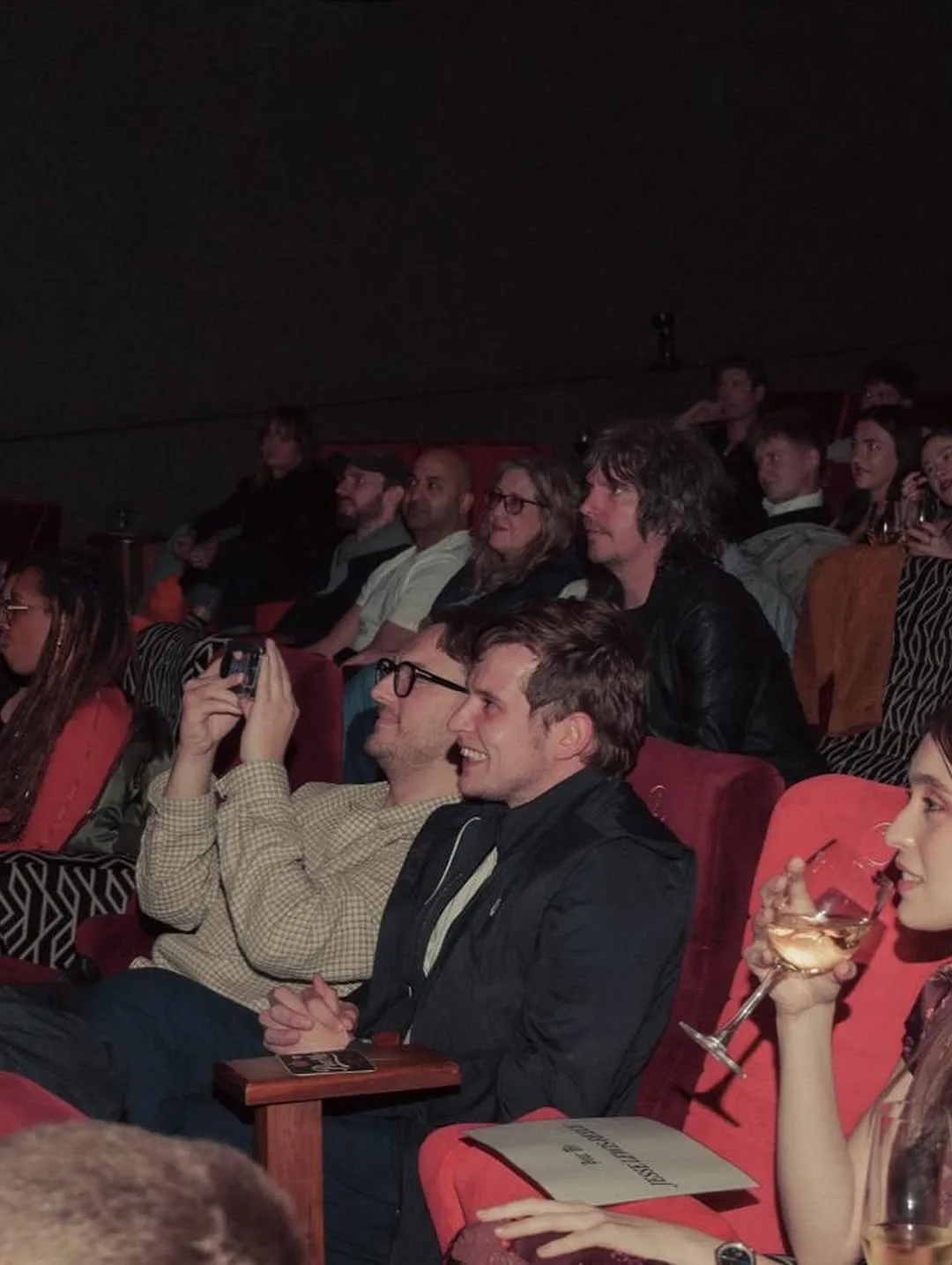
Pour Me film screening.
Director Jesse Lewis-Reece and Actor Shaun Thomas in conversation with Jack Howard.
JACK: I know as well, speaking to your girlfriend before, she hadn’t seen it either. You’ve been keeping this big secret. How are you feeling?
JESSE: I enjoy people experiencing stuff when it’s finished and I guess we can relate to. You see stuff half finished and you kind of get that. So key people. I try and keep it within reason, but no, just. I mean, just super grateful that an idea that we sort of cobbled together and went through quite a few iterations and ways of making it possible to actually shoot. We’ve ended up actually making something with you guys here. It just means the world, Sean, you know, just such a pleasure to work with someone like you, like an actor. You just threw yourself into probably quite a bad couple of days of shooting with not much kind of prep and all that stuff.
SHAUN: We did, we prepped for that. For me to be able to go onto a set for two days and to be able to feel so free within a character. That’s down to your ability of directing and your empathy towards me as an actor. And I must say that I wouldn’t have been able to perform if we didn’t, you know, make a connection and we didn’t understand each other. And, yeah, after watching that for the first time, I was a bit emotional, actually, myself. And, yeah, I just think watching it back and the passion that went into it and everyone who chipped in and worked really hard, Rosie, John, Noah, Emily, and, yeah, my mind’s blown from what we created. I just thought it was very moving and you’ve done a great job man, very very good job.
JACK: I’ll start with actually, the conception of the idea, not the generic how do you come up with your ideas question, but why this idea? Like what? Everyone knows that with anything that you’re going to create, you’re going to spend a lot of time doing it. You have to get obsessed with the idea. What was it about this that you got obsessed with? Why did you have to make this?
JESSE: I think it’s hard to. You know, you’re a filmmaker yourself, it’s like you tend to gravitate towards certain things, stories, whether it’s sensibilities or types of telling stories. And I just thought the work that I carved out so far, I found a little bit of a like, how I like to tell stories, and quite sensory and quite kind of. And talking with a friend, like, you know, going back quite a few years, it was just like, films, stories about, like, drinking. I feel like everyone’s got their own stories about drinking. It’s such a big thing in not just the uk, but, like, yeah.
JACK: This film feels very British. Yeah. Everything about it feels very English.
JESSE: Too much so. Yeah. Just like, talking with a couple of friends about stories of growing up drinking and, like, our relationship to drinking, whether it’s you drink all the time or you. You don’t drink anymore or you live for the weekend or, like, pub culture. And, like, it just was fascinating to me. And I think just trying to find a way to do a film about drinking and the people that you kind of come across in a pub, maybe on a night out, you see them face value, but everyone’s carrying their own stuff around and you add alcohol in the mix and it all becomes a bit crazy and. And it was just trying to find a way of, like, telling a story, like, in that way.
JACK: And then I think you’ve done two things with the film. I think you’ve made a film that’s about drinking in the way that we can all relate. We’ve all had a night like that from start to end. But also that you’re telling a very particular, specific character story very quietly. Like, we understand, I think, from watching that, that he has a very weird relationship with his dad. My interpretation of it is that his dad has died. Like, a wonderful little moment where he says, I don’t think I ever really knew him. And then that really dreamy moment where he’s there. Like, I think you’re doing both of them at the same time. And I think that’s a very fascinating thing to be able to accomplish in 12 minutes. I think that’s really impressive.
JESSE: Thank you. Oh, this is weird. No, but I think it was, like, on face value, it’s like. It sounds like a lot of fun trying to make a film about a night out that we’ve all properly had. But then it was trying to work with Sean, like, the actor, like, storytelling of, like, you know, everyone who ends up making a twat of themselves on night out is probably a combination of the drink, but also what they’re sort of just dealing with, generally. It was maybe trying to make a film that sort of bridges that a little bit and leans into that and has a bit of sort of pushes into that and allows that to sort of to come out with what is kind of intense in this film. And it was like. Yeah, it was like, almost like two films going on. It was like one Film, which is like the crazy, like, super relatable in a way. Like we’ve all went on a night out like that. Whether it’s us or our friends or someone you know or whatever. But then I guess we’ve all you know. But then I guess we’ve all. You know, when you speak to someone who’s maybe getting in that sort of state, there’s always something else to it. And it wasn’t to try and make a film about that so much, but, like, just allude to it a little bit enough to make you maybe understand that, you know, that’s what people sort of. Yeah, everyone’s carrying around their own shit, basically. And then when you get alcohol in the mix, it goes a bit mad. Some people deal with it in different ways. And I think it was just trying to find a story that worked as a short, but stuck to those themes.
JACK: And Shaun, what was it about it when you came across this project? Because I imagine on the page it was quite simple. I imagine that it was a conversation or something that really convinced you this was something that I can sink my teeth into as an actor.
SHAUN: Well, I actually received the script and I’d not spoken to Jesse fully before. I had to read the script before I spoke to Jesse. And the main thing that stood out to me was the fact it was an alcohol topic. And I think personally, I’ve got relatability to that, like a lot of people do have. But I think it was, as I was reading it, I could see that Jesse had a passion to tell this story, and I think I had something inside me that resonated with that. And, yeah, kind of. Once I read the script, I was sold on, you know, getting involved because it was. It’s an emotional piece and it’s character driven and I just thought it were something that really mattered. And I think, you know, alcoholism and, you know, people, someone like Oliver using alcohol to escape reality or to get away from a problem, you know, it can be catastrophic. And obviously in the film, it wasn’t as bad as sometimes it can be. But, yeah, I just think overall the script was so well written and Jesse’s creativity and even the way that the scene headings were written and, yeah, I was just captivated by his writing mainly. And then once we met, we just hit it straight off. It was joking and having a good time. Yeah, it’s new. I knew this was going to be a special relationship.
JACK: This is actually going to be for both of you. When did you know that? It was just going to be all told basically from one angle. Obviously there’s some special little moments in it where we zoom in and things like that. When did you decide this is how I’m going to tell that story? And did that change how you were going to play the character as well?
JESSE: Yeah, I mean, that’s a great question, because the film really did change quite a lot.
SHAUN: I wasn’t going to say that. I’m kind of. Should I say that? Should I say that?
JESSE: No, I mean, like, part of it as well is, like, filmmakers in the room. It’s like, how are we going to get this stuff made? Like, you’ve got budget. Small budgets, small amounts of time. Like, it’s hard to make anything. And I think the original version of the script was a lot. A lot bigger, a lot more expressionistic, almost a bit surreal. And it had kind of more of a journey of, like, time. Like, it wasn’t just one night, But it was the character that I sort of fell in love with.
JACK: I think it’s interesting. I did also read it as one night, but I. This is the second time I’ve seen it and on the first time I watched it, I didn’t read it as one night. It’s still open to feeling like it’s bigger than it is, even though it’s one location and one shot.
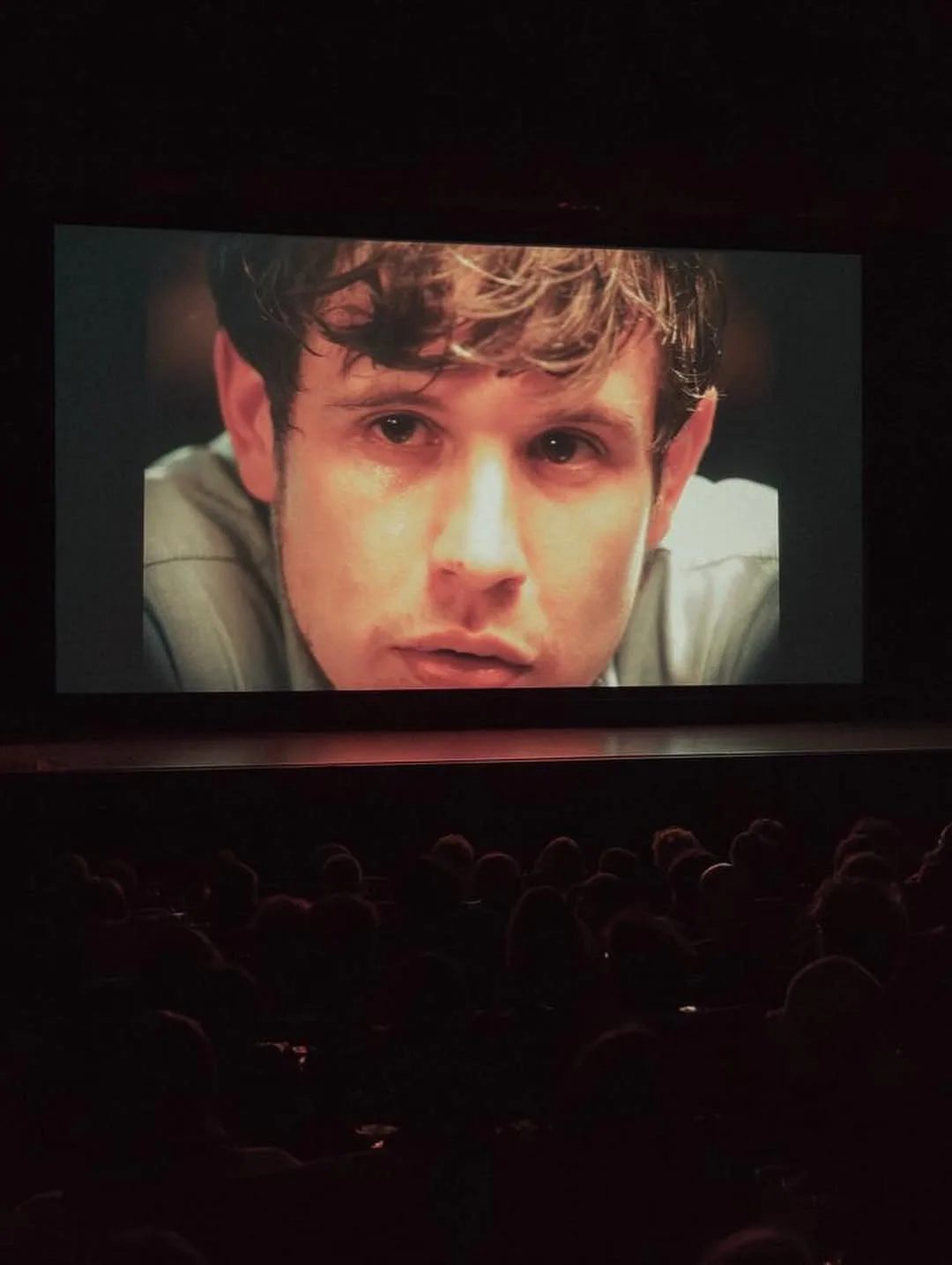
JESSE: No, that’s great, because actually someone else said it as well. I guess, like, part of it is, like, letting your intention go a little bit. Like, sometimes, you know, within reason. Otherwise you kind of, you know, you don’t know what story you’re telling.I enjoy interpretation in the sense of, like, a couple of people said something similar, which, you know, we kind of wrote it as one night, but the fact that you could. Someone’s taking it in something a bit different is, like, as part of our films as well. Sometimes you kind of talk to someone about a film you love and you both love it and you’ve got completely different, almost angles on the story or whatever. But, yeah, essentially the question, like, it was a much bigger script and as we kind of tuned into the year, it was looking less and less likely, to be honest, that the film was going to get made because of money and stuff. And I had almost a crazed epiphany one night where I was like, the only thing that really matters is Shaun’s kind of journey. I think I called Corin, the producer, and he was like, what are you on about? But it was almost like I sort of looked at the script we had and there was a journey of the character where there was a through line where that journey could almost take place in one night and you still get a lot from it. I think with a short. I think we really wanted to make a film as well that, like, it’s a short in the sense that it just. Its bones are inside of, like, being a short film. And what’s the best way to speak to these themes and not try and make a mini feature, but make something that is actually like, as a short film, you know, Feels like it could only exist almost in this format.
JACK: It’s so funny. I made a short last year and these words are the exact words that I was saying. So I’m like resonating very deeply with that. And you’ve absolutely nailed that. I think it very much holds as a short story, which is what I think short films should be, rather than these, like, teasers for a longer thing you wish to make.
JACK (TO SHAUN): Did it change how you played it, knowing that it was basically going to be all seen from one angle?
SHAUN: I wouldn’t say it changed the way I played it. I mean, the first script that I read, if you don’t mind me saying that, I thought it was absolutely incredible, the creativity in the shots. And this is kind of where these shots come from as well, right?
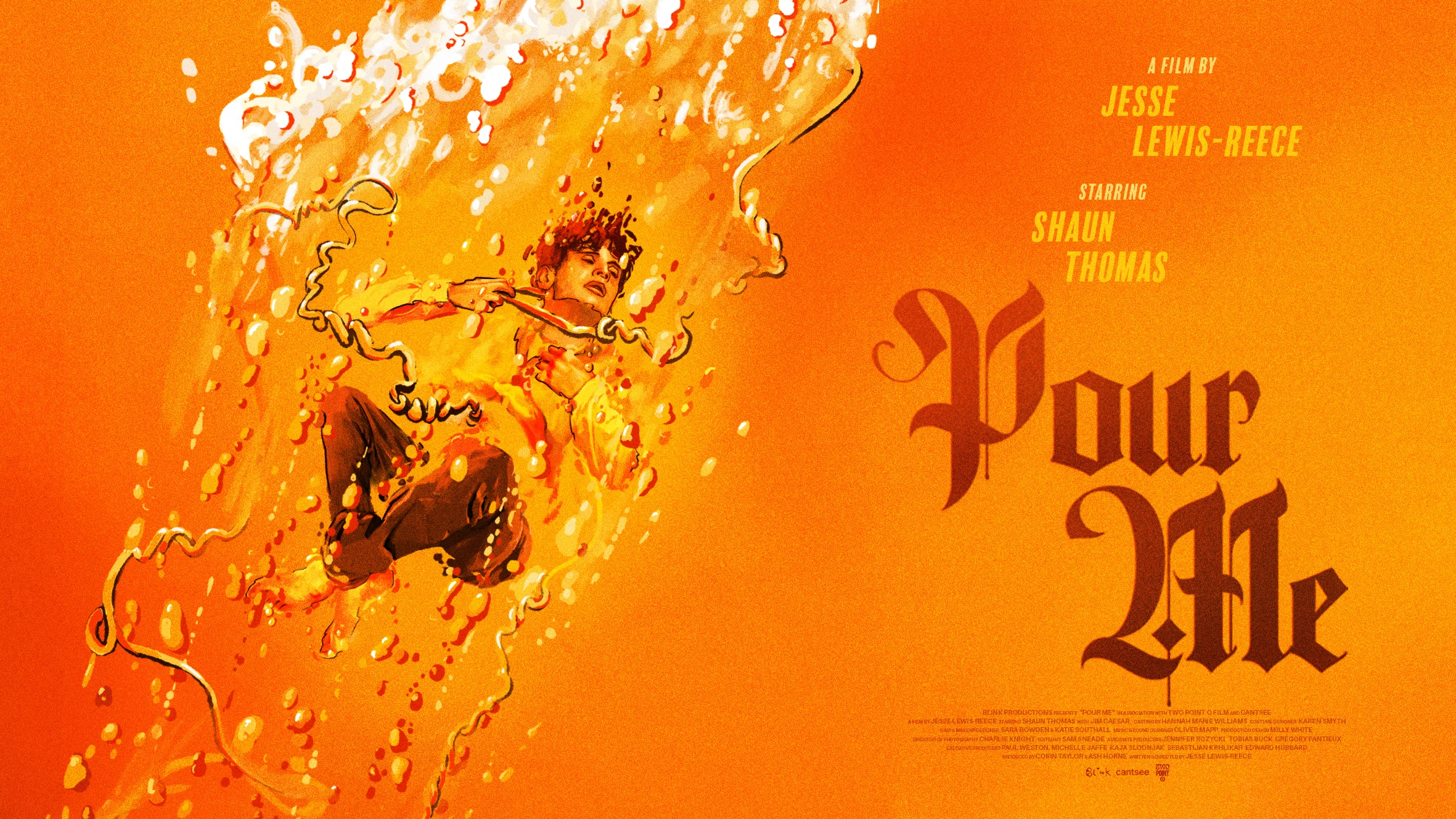
JESSE: Yeah, yeah, yeah. The original script was like almost surrealist. And the opening of films like this kind of like basically that scene playing out as like a window into the film. And obviously we couldn’t achieve stuff like that, practically.
JACK: Isn’t it wonderful to see reinterpreted as the poster now, which is encapsulating what the whole film is.
SHAUN: Yeah, I read the first script and then I got told it was changing. But then when I read the second script, it was still the substance of the character and the story and the topic was all still there, all still the same, still a character piece. It had just kind of been compressed and more compact and more doable in a short film format.
JACK: Does it not change how you’re playing it when you know that it’s all alike, we’re not doing close ups and wides, man. We’re just doing it from here. Does that change how you’re playing it on the day?
SHAUN: Obviously. I’m always kind of aware of what shot we’re on or, you know, what. What type of shot we’re going for. But I try not to really get too caught up. I think that’s Jesse and Charlie’s job to worry about that. I just kind of worry about the lines, the emotions, the beats, and connecting with the characters within the scene. Jim Caesar, Rose. You know, all these guys. But, yeah, it didn’t really take anything away from the inside of, you know, how I was gonna drive Oliver through the film. Or kind of still very similar. I think a lot of it, the art stuff was more like maybe editorial stuff. So it didn’t really actually change much. So basically what Jesse did is he come to me with a script and then got me to agree. And then a month later, I’m gonna do this script now. He played me a blinder.
JACK: My favourite bit of performance from you in that. I think your performance is excellent throughout. Like, the detail, really. Stuff that sticks with me is when we’re zooming in on you and there’s just a moment where you’re kind of like you’re glazing over, but then you just have a little laugh to yourself about something. Like this is like a little glimmer of something you’re remembering. Something that’s made you just privately made you feel vulnerable. I love that moment.
SHAUN: I think it’s that thing of that was like, just something that I just. I think it’s a thing of, like, from my personal experience with drinking, I’ve been, like, really drunk, and I’ve been in a state, and I’ve been in a situation. It’s almost that flashback into sober and into reality. And it’s like laughing at yourself, the state you’re in. So that’s kind of where that came from.
JACK: I want to talk about the editing, the sound design. Firstly on the sound design and the music. To me, it feels like this very, like, small film, you know, in a pub, one night, one location, one character. But it feels like something monumental is happening. It almost sounds like Oppenheimer. Like, it feels like at the end of Oppenheimer when he’s like, we have destroyed the world. And then it’s like a huge growing sound design. But here it’s like this relationship he has with this drug, with alcohol, and it’s this, like, growing horror soundscape that’s happening. And I just love that choice. And I just would like you to talk about that decision to be able to go navigate to something this small.
JESSE: Yeah, I mean, I think a lot of the film comes from the anxiety of drinking, like. And I think we’ve all probably at least known someone where you’ve had that night where you wake up, you’re like, what? What was I doing? And it’s like that it was almost the motive of the film was to turn that feeling of anxiety the day after the horror of it and put it back into the film, like, while it’s happening. And like, exactly what you said. It’s like a really small thing that’s happening. It’s like we’ve all had the night out in a pub. If we just follow, the camera just follows you, you or you, like, you know, it’s not a big thing that’s happening. But the kind of feelings inside mixed with alcohol becomes so massive. Like, everyone when they’re drunk, they get more emotional, they get more this, they get more that. The feeling after the night of, the next day is like. You do sometimes feel like the world has ended. And it’s like, you know, we were almost with Ollie and Sam, the editor and sound designer, trying to put some of that back into the film while it was playing out live. We always talked about, like, it’s not a horror film, but it’s like it kind of is in the sense of, like the horrors of drinking, like, reput into the film while it’s playing out.
JACK: I really like the moment when he’s about to drink for first time in the film and you can hear, I think, like a train going by. Were you thinking in that moment? Obviously, something shifting, so were you trying to put something in? Was it going to be music? Was it sound design? Were you just trying to figure out what that was going to be to signify something is changing, but we need to put in the sound of something that’s going to, you know, I mean, create a vibration before he does it.
JESSE: Yeah. I mean, that’s testament to Ollie the sound designer. As well, it’s a small space, relatable space, small pub. So it’s like what kind of what sounds could possibly be happening and, like, you know, walking outside the pubs or whatever, there’s, like, traffic outside, trains going over a bridge or whatever. And it’s like trying to almost, like, take those sounds and, like, bring them into the psyche of the character. And it’s like in that moment he’s still with himself, contemplating. Like, before we all do that thing, we’re like, oh, I’m not drinking at the moment. And everyone’s like, well fuck off. We’ve all done that thing where you tell yourself you’re not gonna drink and then you end up drinking and you’re like, oh, fuck it. And it’s like in the moment of the film, with the kind of angle we’re shooting at, we can’t get into the psyche with, like, shots and coverage and getting close. But the sound of, like, the environment is almost pushing him to make that choice. And, yeah, just having a bit of fun with it as well. And, like, you know, really kind of amping that up. And, yeah, kind of our restrictions were the location and the angle, but we tried to kind of go the other way with all our other senses. Like, the sound to really, like. Like you said, almost make it huge. Like, you know, Oppenheimer style with, like. Because I guess sometimes to go back to that point of, like, the feeling that you can get from these sort of nights the next day is. It is monumental. Like, you just feel so this, that and the other. And it’s trying to put that feeling into the film.
JACK: Yeah, I do feel like you’ve accomplished that in this. I think that there are. It does feel like a big night for him. I feel like after this there’s gonna be a shift. He is coming to terms with something to do with his dad, to do it himself, to do with drinking. For you when. In the moment, just before, in that vision, when your dad is sat next to you. Like, just talk to me about what’s going on for you in those moments, like. Because obviously that’s quite a technical setup as well for you as an actor, when that’s happening. Because obviously, technically what’s happening is the camera’s zooming all the way in on you. Then an actor is sneaking in at the right time as the next year. So it’s all quite technical. But how are you staying in that moment? And what does that feel like for you to be there? If you can take yourself back to it.
SHAUN: I just went to a very dark place. Very dark. I got actually drunk. Yeah. Yeah. It was a documentary. Yeah. But just really focusing on. So when I’m trying. When I perform, I try to draw on experiences that I might have experienced in my own life. Was in. That kind of give gives me a reason and a motive to now prefer emotion a little bit more than just the material I’ve been given. So I was just thinking about, you know, things that make me emotional as a person and stuff like that. And I remember, like, in between these scenes, because there’s quite a lot of the scenes where I was kind of in my own mind and in my own space and trying to, like, navigate my brain into, like, quite a negative and emotional state. And I remember Jim Caesar, the actor who plays my friend in the short film. He actually came to me afterwards and was like, you know, if you ever need to speak about anything, I’m always here. I just want to say thank you for that, Jim, because that was a really nice thing to do. Especially I think that speaks about the set that was on as well, because it was working on such a sensitive subject. Everyone understood that. And then for me as an actor, everyone has involved kind of like going down these routes and then just having the support and feeling safe within. That was very, very special.